
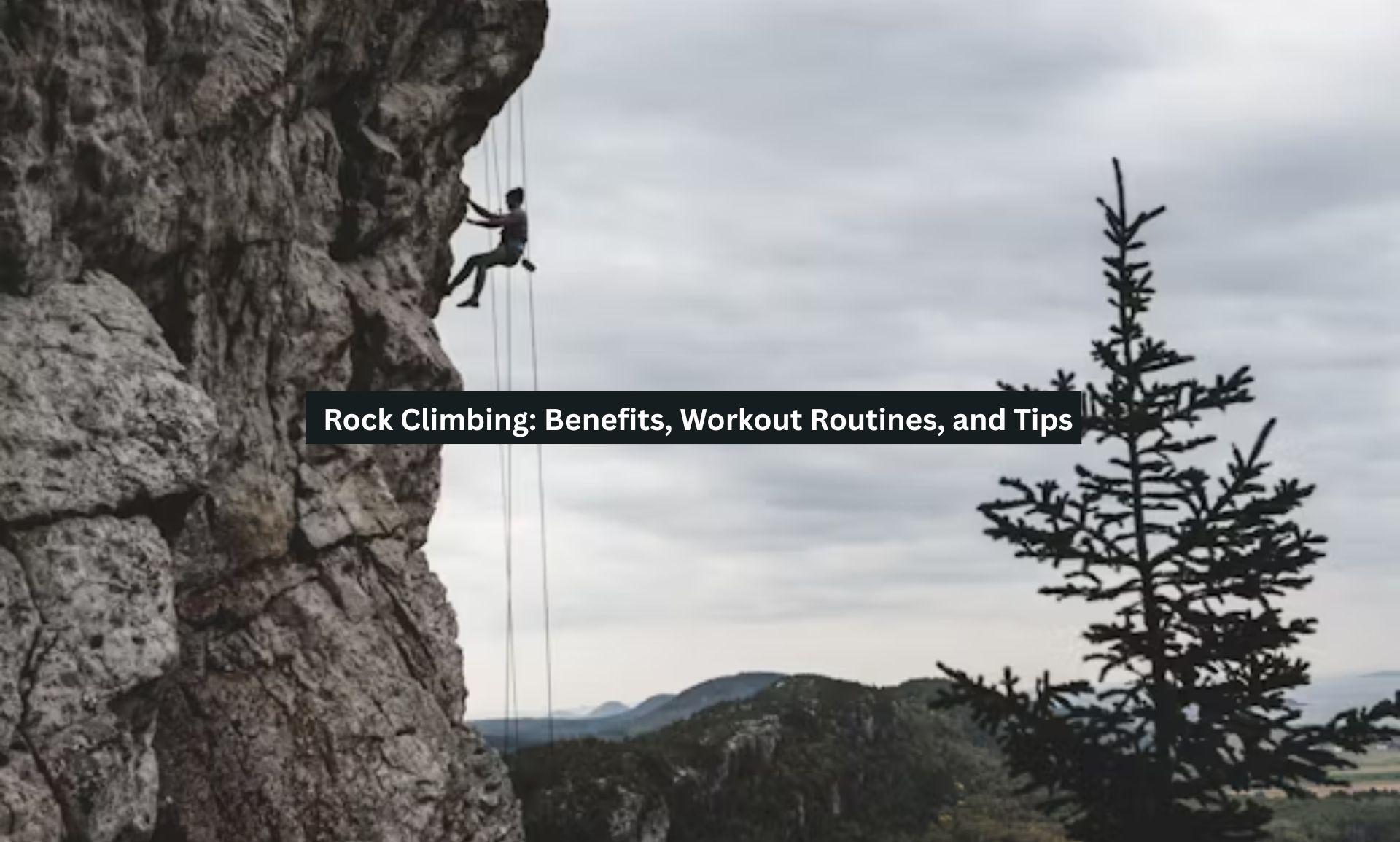
Mountaineering is precisely what it seems like. It is an activity where you climb on rocks or mountains outside, or on mountain climbing walls indoors, for fun, adventure, or exercise.
Mountaineering was a way for people to explore new areas. By the early 1900s, it had evolved into a fun activity, and it began gaining popularity by the end of the 20th century.
Is Mountain Climbing a Good Exercise?
Mountaineering is a good exercise as it builds strength, improves endurance, and boosts flexibility. “It engages your core, arms, shoulders, and legs while also improving grip strength — something many workouts neglect,” explains Raphael Longobardi, MD, an orthopedic physician with RWJ Barnabas Health Medical Group in Jersey City, NJ, who specializes in sports medicine. Climbing also challenges your balance and coordination, engaging both your body and mind.
If you like your workouts mixed with adventure and adrenaline, then rock climbing may be the exercise for you. Whether you’re climbing at an indoor rock gym or on real rock faces in the great outdoors, you’ll work muscles you never knew you had. And you’ll be surprised at how quickly you break a sweat!
Is Rock Climbing Hard?
You cannot just do “mountaineering light.” Even relatively easy routes require a whole-body effort and intense focus. Very tough routes will push you to the limit.
Does Rock Climbing Build Muscle Mass?
Mountaineering does build muscle. In fact, it works muscles all over your body — including your core, arms, legs, glutes, and back.
Proper mountain climbing technique relies mostly on the legs and glutes for the power to propel you upward, but your core gives you the balance and strength to keep your body close to the wall. Your forearms also get a real workout, and your upper arms and shoulders pull you up when your legs can’t provide enough pushing force. Muscles like your rhomboids, trapezius, and lats work with your core to keep you stable on the wall.
What Kind of Exercises Are You Able to Do with Mountaineering?
Rock climbing combines several exercises into one.
Flexibility
You may do plenty of reaching and stretching from one hold to the next.
Aerobic
Mountaineering can push your heart rate to between 120 and 180 beats per minute. Plus, it’s low-impact. If you’re doing it right, your feet won’t even touch the floor.
Strength Training
Because you have to hold on, mountain climbing improves your hand grip strength. It also strengthens muscles in your arms, upper back, and legs.
Benefits of Mountaineering
A rock climbing workout challenges your body and mind. “It is a full-body workout that not only builds strength but also keeps you mentally challenged and motivated,” says Longobardi.
Physical Benefits of Mountaineering
Some mountaineering health benefits include:
- Stronger muscles in the arms, legs, core, and back
- Better flexibility, coordination, and balance
- Better hand grip strength
- Improved cardiovascular fitness
The combination of pulling, pushing, and stabilizing involved in climbing builds stabilizer muscles, such as the transverse abdominis in your core and the trapezius muscle in your upper back. These muscles are sometimes missed in traditional workouts, Longobardi says.
Mental Benefits of Rock Climbing
Mountaineering challenges your mind as much as it does your body. Finding the right hand and foot placement requires mental focus, concentration, and problem-solving skills.
Mountaineering is also a powerful stressbuster that has shown promise for easing anxiety. “Rock climbing allows you to completely disconnect from [your] worries and focus on the task,” says Sergio Pedemonte, a certified personal trainer at Your House Fitness in Toronto, Canada.
Less experienced climbers may actually experience a short increase in stress. The intense focus needed to plan out the next move, coupled with a fear of falling, may raise levels of stress hormones such as cortisol.
Rock Climbing and Cardiovascular Fitness
Scaling a mountain or rock wall is good for your heart. Climbing is a great cardiovascular exercise because your heart has to beat faster to pump more blood to your muscles. The physical exertion increases your VO2 max, which measures how much oxygen your body uses during exercise and reflects your cardiovascular fitness.
“[Rock climbing is] definitely a great way to increase cardiovascular fitness without the repetitive impact of running or high-intensity workouts because it combines strength and aerobic exercises,” says Jeffrey S. Lander, MD, co-director of sports cardiology at RWJBarnabas Health in West Orange, NJ.
What Muscles Does Rock Climbing Work?
Mountaineering works muscles in nearly every part of your body, including:
- Arms and Hands: Biceps, triceps, brachialis, forearm flexors
- Upper Back: Rhomboids, lats, trapezius
- Core: Abs, obliques
- Legs: Quadriceps, hamstrings, glutes, calves
How to Train for Rock Climbing
To be safe, you need to know what you’re doing. If you’re new to mountaineering, consider taking lessons with a qualified instructor to learn the basics, such as foot placements and belaying (using ropes). Do your first climb in an indoor climbing gym where you can learn proper techniques and safety measures in a supervised setting.
Start slowly. Climb for just 10 or 20 minutes to start. Slowly increase the length and intensity of your climbs when you feel ready.
Exercises to Improve Mountaineering
Next, work on the physical skills you’ll need to climb, such as strength, endurance, and flexibility. “Strength training, especially for your core, legs, and grip, will help prepare your body for a demanding sport like mountaineering. Focus on bodyweight exercises that mimic the movements in climbing, like pull-ups, planks, and squats,” Longobardi suggests.
These exercises will strengthen the muscles you’ll need for mountaineering:
Grip Strength Training
- Dead hangs
- Pull-ups
- Fingerboard training (hanging from a special board to strengthen the finger muscles)
Core Strengthening
- Planks
- Leg raises
- Russian twists
Lower Body Strengthening
- Squats
- Lunges
- Deadlifts
What Else You Should Know
Cost
Expect to pay for time on a climbing wall at a rock gym, plus rental fees for equipment.
Good for Beginners
Mountaineering requires a basic level of strength and fitness, so it’s likely not for you if you’re not active now.
Outdoors
Most new climbers start at indoor rock gyms, but there are many climbing sites outdoors.
At Home
This isn’t a sport you can do at home. But if you find you have a passion for climbing, a portable chin-up bar that you hang in your doorway can help you build upper body strength.
Equipment Required
You will need at least climbing shoes and a harness, which you can rent at any rock gym. Climbing gyms typically provide other necessary equipment, including ropes and carabiner clips. If you’re climbing outdoors, you will need to bring your own.